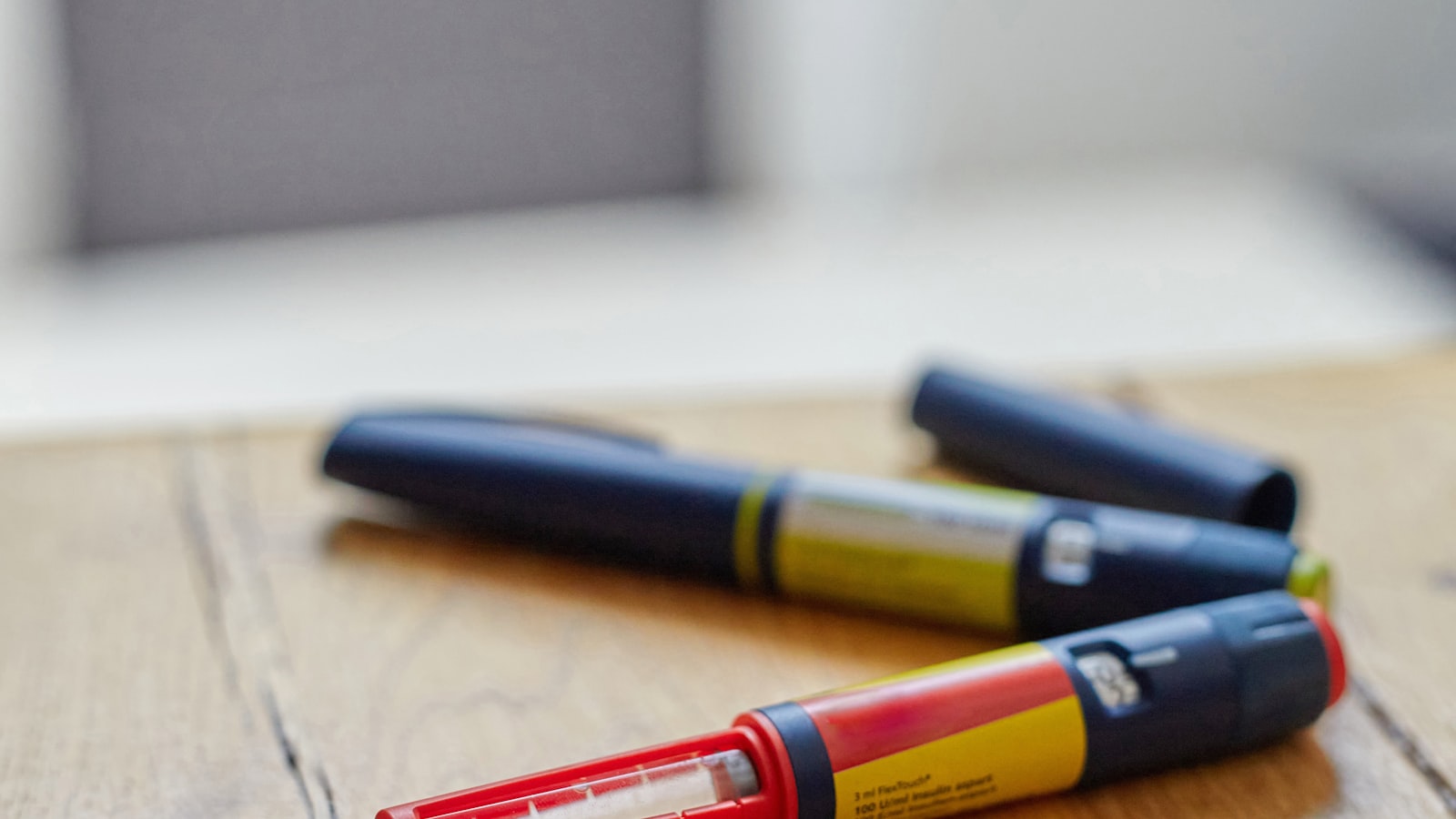
GLP-1 medications, semaglutide and tirzepatide, have transformed weight loss, and their side effect profile has generated a ton of media coverage. Some of it is accurate; some isn't. Here's an honest, category-by-category breakdown of what you might actually experience, what causes it, and what to do about it.
Nausea, the most common
How common: Up to 44% of patients during titration. Usually mild-to-moderate. Typically resolves within days of each dose change.
Cause: Slowed gastric emptying. Food sits in your stomach longer, which is how GLP-1s create satiety, but also how they create nausea (Chiang et al., Gastroenterology 2025).
Management:
- Eat smaller portions, a full meal feels overwhelming
- Avoid fatty, greasy, or rich foods during titration weeks
- Eat slowly and stop at the first sign of fullness
- Ginger tea, peppermint, or OTC nausea medications like Pepto-Bismol or Zofran (by prescription) help
- Hydrate consistently, dehydration worsens nausea
- If nausea persists, drop to the previous dose and re-titrate more slowly
Constipation, often more persistent than nausea
How common: 20-35% of users. Tends to persist longer than nausea.
Cause: Slowed GI motility affects the whole gut, not just the stomach.
Management:
- 25-35g fiber daily (psyllium is a clean option)
- 80+ oz of water daily, use our water intake calculator
- Magnesium citrate at night, 400mg (laxative effect at higher doses)
- Daily walking, movement helps transit
- Colace (docusate) or MiraLAX as needed
- Resist suppressing bowel urges, consistency matters
Muscle loss, the real, often ignored risk
How common: During any rapid weight loss, a substantial share of what is lost can come from lean mass without deliberate intervention. This is the single most important side effect to take seriously.
Cause: Rapid appetite suppression + low protein intake + no resistance training = your body breaks down muscle for fuel (Weinheimer et al., Nutr Rev 2010).
Why it matters: Losing muscle reduces your metabolic rate long-term, makes rebound weight gain easier, and worsens body composition even if the scale is dropping fast.
Management:
- Hit 1.0g+ protein per pound of goal bodyweight. Non-negotiable.
- Resistance train 2-4 days per week. Progressive overload, compound lifts.
- Don't let calories drop below 1,200 (women) / 1,500 (men), deeper deficits accelerate muscle loss
- Monitor body composition, not just scale weight, DEXA or BIA every 2-3 months
If you do only one thing: prioritize protein and lift weights. This alone cuts muscle loss roughly in half. The difference between losing 30 lbs of fat versus losing 20 lbs of fat + 10 lbs of muscle is enormous in the long term.
"GLP-1 face", real, but misunderstood
What it is: The hollow, sunken look that appears in some patients after significant weight loss on GLP-1s.
Cause: Rapid fat loss, including subcutaneous facial fat that gives the face its shape and youthful appearance. This happens with any rapid weight loss (post-bariatric surgery, severe illness, etc.), it's not unique to GLP-1s. But GLP-1s produce so much weight loss in so many people that the effect has become widely visible.
Management:
- A slower, steadier rate of loss reduces it — faster is not better here
- High protein intake preserves connective tissue and skin
- Collagen peptides (15g daily) may support skin elasticity
- Adequate hydration and healthy fat intake
- For established "GLP-1 face," dermatologic treatments (filler, Sculptra, or Radiesse) can restore volume
Hair thinning
How common: Reported in 3-7% of patients.
Cause: "Telogen effluvium", a temporary hair shedding triggered by rapid weight loss, nutrient deficiencies, or physiologic stress (Kang et al., Ann Dermatol 2024). Not unique to GLP-1s.
Management:
- Ensure adequate protein (1.0g/lb), iron, zinc, biotin, and vitamin D
- Slow the rate of weight loss
- Hair typically grows back within 3-6 months once the trigger stabilizes
- Topical minoxidil can help in persistent cases
Fatigue and low energy
Cause: Usually under-eating during titration. Some people drop to 800-1,000 calories per day accidentally because hunger is so suppressed.
Management:
- Calculate minimum calorie target using our BMR calculator and don't eat below it
- Prioritize protein at every meal
- Add carbohydrates around training (rice, potato, oats), don't go accidentally keto
- Check vitamin D and iron if fatigue persists
Rebound weight gain after stopping
What happens: Studies show roughly 2/3 of lost weight returns within 12 months of discontinuing semaglutide if no other intervention is in place.
Management:
- Treat GLP-1s as potentially long-term medications, not a 6-month sprint
- Build resistance training and eating habits during treatment so you have the infrastructure after
- Consider stepping down to a maintenance dose rather than stopping cold
- Tapering gradually helps; abrupt stops are associated with the sharpest rebound
Less common but serious side effects
Pancreatitis
Rare but documented. Symptoms: severe, persistent upper abdominal pain radiating to the back, often with nausea/vomiting. Requires immediate discontinuation and medical evaluation.
Gallbladder issues
Rapid weight loss (from any cause) increases gallstone risk (Stinton & Shaffer, Gut Liver 2012). GLP-1s slightly elevate this. Symptoms: right upper abdominal pain after fatty meals. Report to your provider.
Thyroid concerns
GLP-1s carry a boxed warning for medullary thyroid cancer based on rodent studies. No human cases confirmed. People with personal or family history of medullary thyroid cancer or MEN2 should not use GLP-1s.
Gastroparesis
Rare but reported, severe, persistent stomach emptying delays that continue after stopping the medication. Typically resolves but can be prolonged. More common in people who had subclinical GI issues prior to starting.
Side effects that are overblown
- "Permanent metabolic damage." Not supported by evidence. Metabolism returns to normal for weight post-GLP-1, same as with any weight loss method.
- "GLP-1s cause depression." Mixed evidence. Some patients feel better; some feel flat. If mood worsens significantly, talk to your provider.
- "GLP-1s cause suicidal ideation." Regulators reviewed this in 2024 and found no causal link.
- "You'll never eat normally again." After stabilization, hunger and satiety signaling is remarkably normal, you just eat a little less. The initial "food noise silent" phase isn't forever.
GLP-1 treatment done properly
OPTML's GLP-1 protocols include proper titration, protein/training guidance, and ongoing provider check-ins to minimize side effects and preserve muscle.
Start your evaluationThe bottom line
Most GLP-1 side effects are manageable, temporary, or preventable with the right protocol. The ones that matter most long-term, muscle loss, facial volume loss, hair thinning, all trace back to the same root cause: weight loss that's too fast and too low in protein. Slow it down. Eat enough protein. Lift weights. Almost everything else handles itself.